

The concept of a lifelong marriage, once a cornerstone of American society, is evolving. For generations, couples who made it to their silver anniversary were seen as having crossed a finish line. Today, that finish line is often just the start of a new race. A significant and growing trend is the rise of the gray divorce, a term used to describe separations among couples over the age of 50. While divorce is never easy, ending a marriage later in life brings a unique and complex set of emotional, financial, and practical considerations.
This comprehensive guide will delve deep into the world of gray divorces. We’ll explore the phenomenon from every angle, from its definition and the statistics that prove its rise, to the subtle signs that a long-term marriage is ending. We will examine the distinct challenges these couples face, discuss potential alternatives, and offer a roadmap for not just surviving, but thriving after a gray divorce.
What is a Gray Divorce? Understanding the Meaning and Definition
At its core, the definition of gray divorce is simple: it is a divorce that occurs among individuals aged 50 and older. The term was coined to reflect the graying hair of the baby boomer generation, which has seen a dramatic spike in later-in-life separations. So, what does a gray divorce mean? It signifies the end of a long-term marriage, often one that has lasted 20, 30, or even 40 years.

The gray divorce meaning goes beyond just a legal proceeding. It represents a profound life transition. Unlike younger couples who may be splitting up before building significant assets or a long shared history, those in a gray divorce are untangling decades of intertwined lives. Their identities are often deeply connected to their role as a spouse and parent.
Therefore, when we ask, “what is gray divorce?”, the answer involves a complex unspooling of shared finances, family traditions, social circles, and future dreams. It is a recalibration of life at a time when many expected to be settling into a comfortable retirement. The phenomenon of the gray divorce is not just about separation; it’s about redefining one’s entire future.
The Astonishing Rise of Gray Divorce: Statistics and Trends
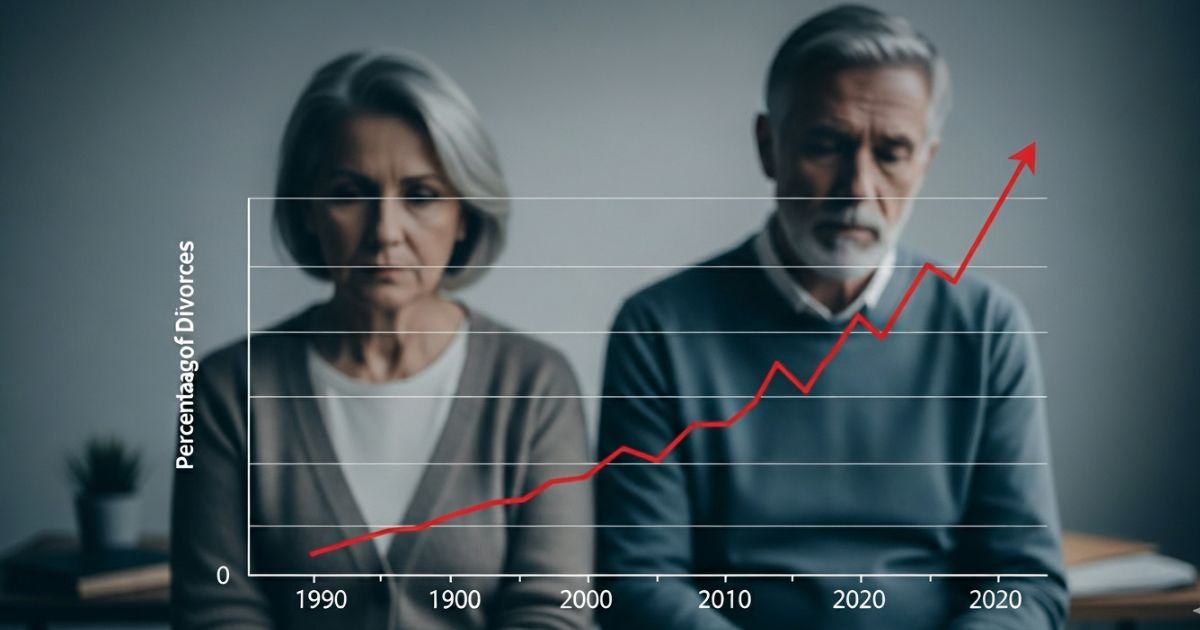
The rise of gray divorce is not just an anecdotal observation; it is a well-documented demographic shift. The numbers paint a clear picture of this evolving social landscape.
Key Gray Divorce Statistics
- Doubling Rate: According to research from the Pew Research Center, the divorce rate for U.S. adults ages 50 and older has roughly doubled since the 1990s. For those aged 65 and older, the rate has approximately tripled.
- First vs. Subsequent Marriages: The risk of a gray divorce is higher for couples in remarriages. For those over 50, the divorce rate for remarried couples is more than double that of those who are still in their first marriage.
- Duration of Marriage: Many believe gray divorces only happen in unhappy, long-term marriages. However, statistics show that a significant portion of these divorces occur among couples who have been married for 30 years or more.
Why is Gray Divorce on the Rise?
Several cultural and social currents have converged to fuel this trend. The reasons for gray divorce are multifaceted:
- Increased Life Expectancy: With people living longer and healthier lives, the prospect of spending another 20 or 30 years in an unfulfilling relationship feels less tenable. The idea of a “second act” in life is more appealing than ever.
- Fading Stigma: Divorce no longer carries the heavy social stigma it once did. It is now widely viewed as an acceptable, though difficult, life choice. This has empowered more people to leave unhappy situations without fear of social ostracism.
- Financial Independence: The increasing economic empowerment of women is a major factor. Women who have their own careers and retirement savings are not as financially tethered to a marriage as they might have been in previous generations.
- Personal Fulfillment as a Priority: Modern culture places a high value on individual happiness and self-actualization. The “stay together for the kids” mentality often fades once the children are grown, replaced by a desire for personal happiness.
This perfect storm of factors helps explain the astonishing rise of gray divorce and why it has become such a prominent feature of our social fabric.
Warning Signs: Recognizing the Indicators of a Gray Divorce
A gray divorce rarely happens overnight. It is often the culmination of years of quiet dissatisfaction and growing distance. Recognizing the signs of gray divorce can help individuals understand what is happening in their relationship, whether they choose to work on it or prepare for a separation.

Emotional and Physical Distance
- Lack of Intimacy: This is not just about a decline in physical intimacy, but also emotional closeness. Conversations become purely logistical, focused on household tasks or schedules, with no deeper connection.
- Separate Lives: Couples may live more like roommates than partners. They have separate hobbies, separate friends, and spend a significant amount of their free time apart.
- Contempt and Criticism: The psychologist John Gottman identified contempt as the number one predictor of divorce. If conversations are frequently laced with sarcasm, disrespect, or constant criticism, it’s a major red flag.
Fantasizing About a Future Alone
- Planning for One: One or both partners may start thinking about retirement or future travel plans without including the other. They may be mentally “trying on” a life without their spouse.
- Renewed Focus on Self: A sudden, intense interest in personal appearance, fitness, or new hobbies that exclude the other partner can sometimes be a sign of someone preparing for a new, single life.
Financial Clues
- Secretive Financial Behavior: One partner may start hiding financial statements, opening separate bank accounts, or being unusually vague about money. This can be a sign they are quietly building a nest egg in preparation for leaving.
- Arguments Over Money: While financial disagreements are common in many marriages, a sudden escalation or an unwillingness to collaborate on financial goals can signal a deeper breakdown of the partnership.
Recognizing these signs does not automatically mean divorce is inevitable. However, they do indicate that the foundation of the relationship is cracked and requires serious attention.
Pros and Cons of Gray Divorce: Is It Worth It?
Choosing to divorce after 50 is a monumental decision with significant consequences. It’s essential to weigh the potential benefits against the undeniable drawbacks.
The Pros of Gray Divorce
- Opportunity for a New Beginning: The most significant benefit is the chance for personal happiness and fulfillment. It offers the freedom to pursue new relationships, hobbies, or career paths that were not possible within the marriage.
- Ending a Toxic Environment: Leaving a high-conflict or emotionally draining marriage can lead to immense improvements in mental and physical health. The reduction in daily stress can be life-changing.
- Authenticity: Many who go through a gray divorce report feeling a sense of relief at being able to live an authentic life, no longer needing to pretend to be happy or conform to a partner’s expectations.
The Cons of Gray Divorce
- Financial Impact: This is often the biggest drawback. Dividing assets accumulated over a lifetime means both parties will likely have a lower standard of living. Rebuilding a nest egg with fewer working years left is a significant challenge.
- Emotional Toll: The process itself is emotionally devastating. Feelings of failure, loneliness, and grief are common. Many people experience gray divorce regrets, wondering if they made the right choice, especially in the initial years.
- Impact on Family: The divorce can strain relationships with adult children and grandchildren. Family traditions are disrupted, and holidays can become a source of tension.
- Loneliness: After spending decades with a partner, the prospect of being alone can be terrifying. Building a new social life and re-entering the dating world as an older adult can be daunting.
The Financial Realities: How Does a Gray Divorce Impact Retirement Plans?
For those in a gray divorce, finances are not just about dividing assets; they are about securing the future. The financial stakes are incredibly high, and a misstep can have irreversible consequences.

The Challenge of Dividing a Lifetime of Assets
The primary task is the equitable division of marital property. This includes the family home, investment portfolios, and, most critically, retirement accounts.
- Retirement Accounts (401(k)s, IRAs): These are often the largest assets. Dividing them requires a specific legal order called a Qualified Domestic Relations Order (QDRO) to avoid massive tax penalties. It’s not as simple as just writing a check.
- Pensions: Defined-benefit pension plans present another layer of complexity. Valuing the future stream of income and determining a fair split requires specialized financial analysis.
- The Family Home: Many couples want to keep the family home for sentimental reasons, but this can be a financial trap. One spouse may not be able to afford the mortgage, taxes, and upkeep on their new, single income.
Gray Divorce Alimony and Spousal Support
In a long-term marriage where one partner was the primary breadwinner, gray divorce alimony is a central issue. Courts are more likely to award long-term or even permanent spousal support to ensure the lower-earning spouse can maintain a reasonable standard of living. The calculation of this support is complex and is a major point of negotiation.
Healthcare Costs
Losing health insurance is a critical concern for anyone divorcing before they are eligible for Medicare at age 65. The cost of securing a private plan through the marketplace can be thousands of dollars per month, a major new expense that must be factored into the post-divorce budget.
Before You Split: Exploring Alternatives to Gray Divorce
While divorce may seem like the only option, it’s worth exploring alternatives to gray divorce before making a final decision.

- Couples Counseling: A therapist specializing in later-life issues can provide a space to address long-simmering resentments and learn new communication skills. Sometimes, the issues are fixable with professional guidance.
- Discernment Counseling: This is a short-term counseling approach designed for couples on the brink of divorce. The goal is not to fix the marriage, but to help the couple gain clarity and confidence in their decision, whether it is to divorce, stay together, or try a six-month reconciliation period.
- Legal Separation: In some cases, a legal separation offers a middle ground. It allows the couple to live apart and divide their finances while remaining legally married. This can be a solution for couples who need to maintain health insurance benefits or have religious objections to divorce.
- Living Apart Together (LAT): A growing number of older couples are choosing to maintain their marriage but live in separate residences. This allows them the autonomy they desire while preserving the legal and emotional benefits of the partnership.
Navigating the Storm: How to Survive a Gray Divorce
If divorce is the chosen path, there are steps you can take to protect yourself and navigate the process more smoothly. Learning how to survive a gray divorce is about being proactive and focusing on your well-being.
Build Your Professional Team
You cannot do this alone. You need a team of experts in your corner.
- A Specialized Attorney: Do not just hire any lawyer. You need a gray divorce attorney or gray divorce lawyer who understands the nuances of dividing retirement assets, spousal support in long-term marriages, and the emotional dynamics of a later-in-life split.
- A Financial Advisor: A Certified Divorce Financial Analyst (CDFA) can be invaluable. They can help you understand the long-term financial implications of different settlement proposals.
- A Therapist: The emotional journey is just as important as the legal one. A therapist can provide you with coping strategies and a safe space to process your feelings.
Focus on Self-Care and Support
- Find Your Community: Isolation is a major risk. Lean on trusted friends and family. Consider joining gray divorce support groups, either online or in person. Hearing from others who are going through the same experience can be incredibly validating.
- Prioritize Your Health: The stress of divorce can take a physical toll. Make a conscious effort to eat well, exercise, and get enough sleep. These basic acts of self-care are crucial.
- Explore New Interests: This is a time to rediscover yourself. Take a class, join a club, or start a new hobby. This helps build a new identity outside of your former marriage.
Embrace the Future: Life After Gray Divorce
The end of a marriage is not the end of your life. For many, life after gray divorce is a time of incredible growth and empowerment. It is a chance to build a life that is authentically your own. While the road may be difficult, it can lead to a future filled with new possibilities, new relationships, and a renewed sense of purpose.
Your Path Forward with a Trusted Guide
A gray divorce is one of life’s most profound and challenging transitions. The complexities of untangling a long-term partnership require not just legal knowledge, but also compassion and a deep understanding of the unique financial and emotional stakes involved.
If you are considering or currently navigating a gray divorce, seeking guidance from a skilled gray divorce attorney is the most important step you can take. An experienced professional can help you explore options like mediation, protect your financial future, and provide the clarity you need to move forward with confidence and dignity into your next chapter.